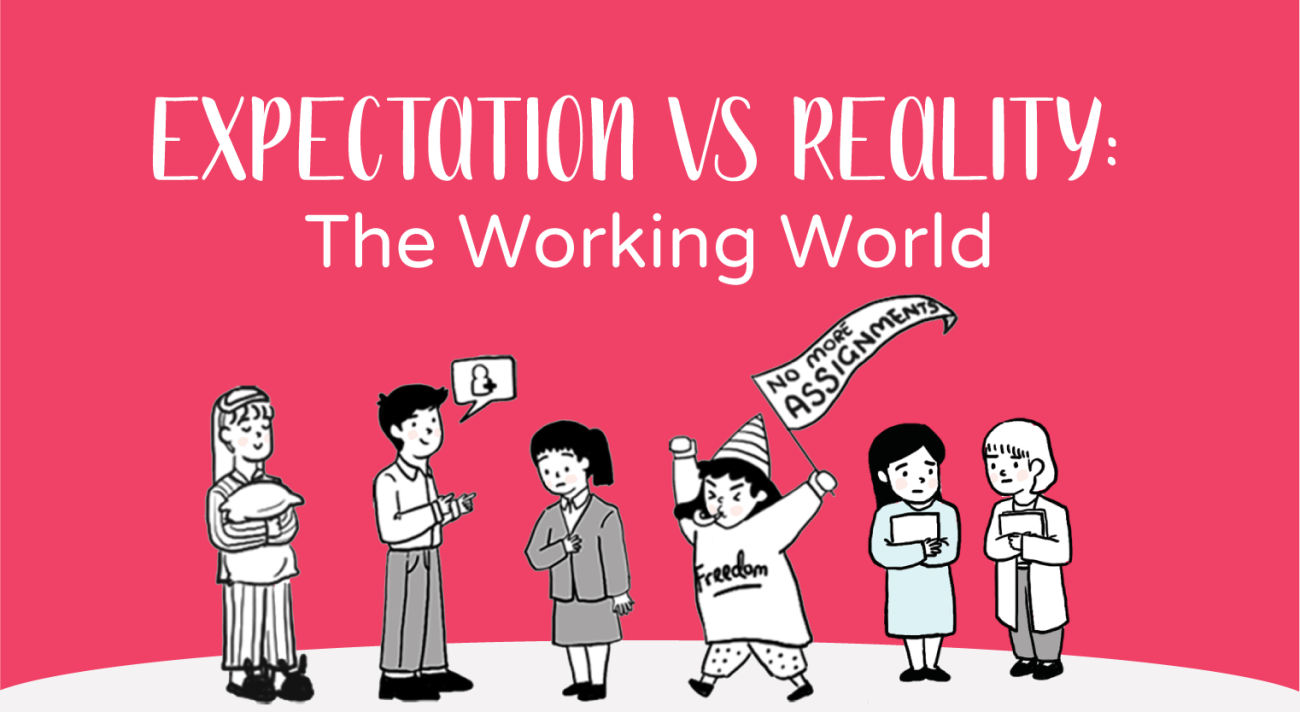
When Daniel imagined his first year as a high school teacher, the picture was clear in his mind. He would walk into a quiet classroom, students would be curious and respectful, lessons would flow smoothly, and meaningful discussions would fill the air. His professors had warned him teaching would be hard, but they had also spoken about its rewards in a way that felt reassuring.
Three weeks into the school year in a public school outside Detroit, Daniel found himself standing in front of thirty-two restless teenagers, a lesson plan unraveling in real time, and a fire alarm drill interrupting his carefully planned activity. Somewhere between that moment and the end of the day, the gap between expectation and reality became impossible to ignore.
Teaching in the United States has always been challenging, but the contrast between what teachers expect and what actually happens in classrooms today is sharper than ever.
Expectation: You teach the subject you love
Most teachers enter the profession because they love a subject. English teachers imagine deep conversations about novels. Science teachers picture curiosity-driven experiments. History teachers dream of students connecting past events to the present.
Reality is more fragmented. Teachers do teach their subjects — but often in short bursts between interruptions. Lessons compete with testing schedules, behavioral redirection, administrative tasks, and emotional support. A single class period may involve explaining content, calming conflict, adjusting for different learning levels, and responding to a student who didn’t eat breakfast.
Subject passion doesn’t disappear. It simply shares space with many other responsibilities.
Expectation: Students are eager to learn
Teacher preparation programs often emphasize student engagement, but they can unintentionally create the impression that curiosity is automatic.
In reality, American classrooms are filled with students carrying invisible burdens — family instability, social pressure, anxiety, economic stress, and digital distraction. Motivation fluctuates daily. Some students arrive ready to learn; others arrive just trying to survive the day.
Effective teaching often begins not with content, but with relationship-building. Teachers spend time earning trust before earning attention. This emotional labor is rarely mentioned in textbooks, but it defines daily classroom life.
Expectation: Classroom management comes naturally
Many new teachers assume classroom control will come with confidence or authority. They imagine that once expectations are set, students will follow them.
Reality teaches otherwise. Classroom management is a skill learned through experience, reflection, and mistakes. What works with one group may fail completely with another. Strategies evolve constantly.
In U.S. schools, where disciplinary policies are carefully regulated, teachers must balance consistency with empathy. Authority comes less from position and more from credibility. Teachers learn quickly that managing behavior is not about winning power struggles — it’s about creating predictable, respectful environments.
Expectation: Teaching hours define the job
From the outside, teaching appears to follow the school bell. Summers off. Afternoons free. Holidays built in.
Reality extends far beyond the classroom. Lesson planning, grading, parent communication, meetings, professional development, and documentation consume evenings and weekends. Many teachers spend personal money on classroom supplies and personal time supporting students.
The job doesn’t end when students leave. It simply becomes quieter.
Expectation: Support systems are always in place
New teachers often expect strong mentorship, clear guidance, and consistent administrative support.
Reality varies widely. Some schools offer excellent mentoring and collaborative cultures. Others, often under pressure from staffing shortages or budget constraints, struggle to provide consistent support.
Teachers quickly learn the importance of peer relationships. Veteran colleagues often become lifelines — offering advice, perspective, and reassurance when official systems fall short.
Expectation: Respect comes with the role
Teaching has long been considered a respected profession. Many enter believing that respect naturally follows the title.
Reality is more complicated. Respect today is situational and earned. Teachers face scrutiny from parents, administrators, and the public. Decisions are questioned. Mistakes are amplified.
Yet in classrooms, respect still exists — often quietly. It appears in moments when a student seeks advice, asks for help, or returns years later to say thank you. Respect hasn’t vanished. It has simply changed its form.
Expectation: You’ll know when you’re doing a good job
In many professions, success is measured clearly. Teaching rarely offers such clarity.
Reality involves uncertainty. Lessons fail. Students struggle despite effort. Progress is slow and uneven. Teachers may not see the impact of their work for years — if ever.
This ambiguity can be emotionally draining. Teachers learn to redefine success, celebrating small wins: a student who speaks up, a breakthrough in understanding, a moment of connection.
Expectation: Passion will protect you from burnout
Many teachers believe loving the profession will shield them from exhaustion.
Reality shows that passion without boundaries leads to burnout faster, not slower. Teachers who last are those who learn to protect their time, manage emotional investment, and accept that they cannot fix everything.
Sustainable teaching requires balance — something rarely taught but desperately needed.
What remains constant despite the gap
Despite the contrast between expectation and reality, teachers stay. Not because the job is easy, but because it matters.
Daniel, now several years into his career, no longer expects perfect lessons or ideal days. He expects unpredictability. He plans flexibly. He values progress over perfection.
He also knows that teaching is not a performance — it is a practice. One built slowly, imperfectly, and deeply human.
The truth behind the classroom door
The life of a teacher in the United States today is complex, demanding, and emotionally layered. It rarely matches early expectations. But for those who adapt, reflect, and persist, it offers something rare: the chance to influence lives in ways that are not always visible, but deeply lasting.
Teaching is not what many imagine it to be. And yet, for those who truly understand its reality, it can still be exactly what they hoped for — just in a different, more honest form.
